
Post-WWII
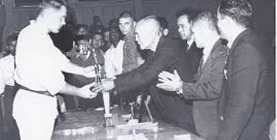
Post-War Japan
Kyokushin emerged in Japan after WWII as practitioners sought a more realistic system emphasizing actual fighting ability over formal or sport-based practice.
From post-war Japan to a worldwide movement — six decades of full-contact martial arts, discipline, and relentless spirit.
Kyokushin emerged in Japan after WWII as practitioners sought a more realistic system emphasizing actual fighting ability over formal or sport-based practice.
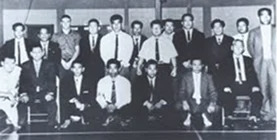
The IKO Kyokushinkaikan was officially established, becoming known for full-contact kumite, conditioning, discipline, and endurance.

Kyokushin distinguished itself with knockdown fighting, minimal protective gear, body conditioning and mental toughness — gaining global respect.
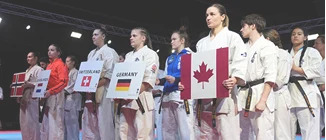
Instructors spread the art across Europe, Asia, and the Americas, building national organizations and tournaments worldwide.
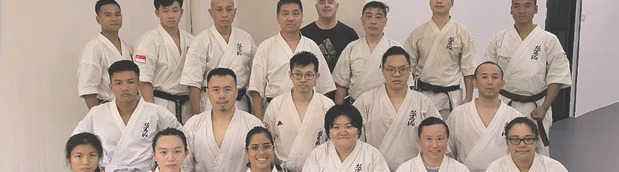
After the founder's passing in 1994, multiple international groups formed — each continuing to promote Kyokushin's core principles of strong spirit and self-improvement.
Kyokushin remains one of the world's most respected full-contact martial arts, balancing physical toughness with personal development for resilient fighters.